What is reverse osmosis and how does it work?
Updated: May 28

What Is Reverse Osmosis?
Reverse osmosis (RO) is a water purification process that uses pressure to push water through a semi‑permeable membrane, leaving most contaminants on the other side. Imagine water being forced through an incredibly fine screen that only allows clean water molecules through.
In natural osmosis, water moves through a membrane from low to high solute concentration until both sides balance. Reverse osmosis applies pressure to the “dirty” side and pushes water the opposite way, so you end up with extremely clean, fresh‑tasting drinking water at your kitchen or bar sink.
Osmosis Vs. Reverse Osmosis

Osmosis is a natural process. Plants use it to pull water through their roots, and our bodies use it to move water in and out of cells.
In osmosis:
Water moves from low solute concentration to high solute concentration
Movement is driven by natural osmotic pressure
The goal is balance on both sides of the membrane
Reverse osmosis flips both the direction and the driving force:
Pressure comes from a pump or household water pressure
Water moves from high solute concentration to low solute concentration
Contaminants stay on one side of the membrane, while purified water moves to the other
This simple idea—using pressure to reverse natural osmosis—is the heart of how a reverse osmosis system works inside a home water filter.
How A Reverse Osmosis Works (Step-By-Step)
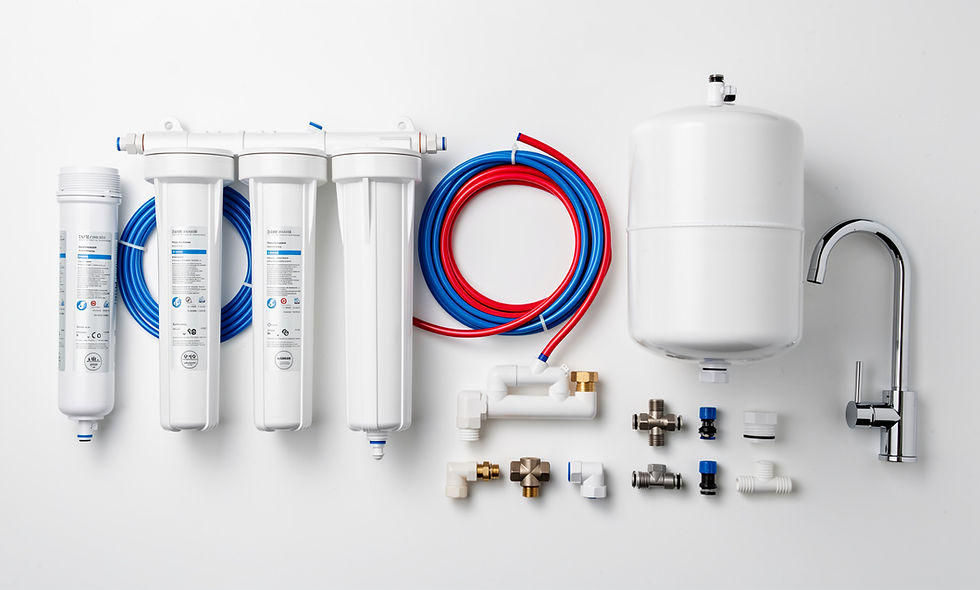
A modern RO system does not rely on a single filter. It uses several stages so your water is cleaner, safer, and better tasting by the time it reaches your glass.
1. Pre-Filtration (Sediment + Carbon)
Water first passes through pre‑filters that remove:
Dirt, rust, sand, and other sediment
Chlorine and chloramine
Bad tastes and odors
This stage protects the sensitive RO membrane and keeps it from clogging too quickly.
Many systems, including the Blackline RO from Holmblad Water, use coconut‑based activated carbon. This media is very effective at reducing chlorine, chemicals, and organic compounds that affect taste and smell.
2. Reverse Osmosis Membrane (The Core Technology)
This is where most of the work happens.
The RO membrane has extremely tiny pores—about 0.0001 microns—that block almost all dissolved contaminants. The membrane It removes:
Heavy metals (lead, arsenic, mercury)
Many bacteria and some viruses
PFAS, nitrates, and fluoride
Microplastics
Dissolved salts and other total dissolved solids (TDS)
Only pure water molecules can pass through. The clean water is called the permeate. The concentrated water that carries away rejected contaminants is the brine or reject water, which flows to the drain through a small flow restrictor that maintains enough back pressure for the system to work efficiently.
3. Storage Tank (On Most Systems)
RO membranes produce water slowly, drop by drop. To avoid waiting for a glass of water, most under‑sink systems store permeate in a small pressurized tank. When you open the RO faucet, water comes from this tank, so you get a steady stream instead of a trickle.
4. Post-Carbon Filtration (Polishing Stage)
After the membrane (and usually after the storage tank), water passes through a final carbon filter that:
Improves taste
Removes any remaining odors
Reduces any traces the water may have picked up while sitting in the tank
This “polishing” step makes the water pleasant to drink every day.
5. Remineralization (Optional But Important)
One trade‑off of RO is that it removes nearly everything, including beneficial minerals. That is why many modern systems include a mineral cartridge to add back:
Calcium
Magnesium
Other trace minerals, depending on the cartridge
These minerals improve both flavor and the balance of the water, so it tastes less “flat” and more like natural spring water.
What Contaminants Does Reverse Osmosis Remove?
A well‑designed RO system can remove up to 99–99.9% of many common tap‑water contaminants, including:
Dissolved solids and metals
Arsenic
Lead
Mercury
Fluoride
Sodium and other salts that raise TDS
Chemical contaminants
PFAS (“forever chemicals”)
Pesticides and herbicides
VOCs (volatile organic compounds)
Many industrial chemicals
Taste, odor, and aesthetic issues
Chlorine and chloramine
Sulfur‑type odors
Sediment that causes cloudiness
Microplastics
The U.S. Environmental Protection Agency (EPA) recommends that total dissolved solids in drinking water stay below 500 parts per million (ppm). Many areas in the United States measure higher than that. Reverse osmosis drops TDS sharply, which improves taste and helps protect appliances from scale.
“Drinking water can reasonably be expected to contain at least small amounts of some contaminants.”— U.S. Environmental Protection Agency
One limitation: while most bacteria and viruses are too large to pass through the membrane, RO is not certified as a stand‑alone disinfection method. If your water source is microbiologically unsafe, pairing RO with a UV disinfection system is the safer approach.
Real Example: Blackline RO Reverse Osmosis System
Here is how a modern system brings all of these stages together at home.
The Blackline RO is a compact under‑sink system from Holmblad Water that uses multi‑stage filtration, smart monitoring, and efficient water use to deliver clean drinking water right at the tap.
Key Features Of The Blackline RO

Up to 99.9% contaminant reduction, including PFAS, bacteria, and heavy metals
Ultra‑fine filtration (0.0001 µm membrane) for high purity
3‑stage quick‑change cartridges for fast, clean filter changes
Smart faucet that shows water quality and filter status
Low water waste (2.5:1 ratio) compared with many older systems
Built‑in tank for faster water flow (around 3–3.5 L/min)
The smart faucet makes it easy to see when filters need replacement, and the efficient waste‑to‑purified‑water ratio reduces environmental impact compared with older RO designs and with bottled water.
Why Reverse Osmosis Is So Effective
Reverse osmosis is widely regarded as one of the most thorough forms of home water filtration because it:
Targets a broad range of contaminants, from heavy metals to PFAS
Reduces dissolved solids that simple carbon filters cannot touch
Uses physical filtration rather than adding chemicals
Improves taste, clarity, and odor at the same time
Independent testing shows that quality RO systems can reduce up to 99.9% of impurities, including many that pitcher filters or refrigerator filters only reduce slightly.
Are There Any Downsides?
While RO is highly effective, it does come with a few trade‑offs:
Water waste – Every RO system sends some brine water to the drain to carry away concentrated contaminants. Older models could waste four or more gallons for every gallon of purified water. Modern designs, like the Blackline RO with a 2.5:1 ratio, use far less.
Mineral removal – RO strips out beneficial minerals along with unwanted ones. A remineralization filter and a balanced diet offset this. For most people in the U.S., minerals in food matter far more to nutrition than minerals in drinking water.
Installation and maintenance – Under‑sink RO units require space, proper connections, and periodic filter and membrane changes. Many homeowners handle this themselves, but some prefer professional installation.
Slower production rate – Because RO works at the molecular level, it produces purified water more slowly than a simple carbon filter. The storage tank and built‑in tank on systems like Blackline help smooth this out.
For many households, these downsides are manageable, especially compared with the cost and plastic waste of bottled water.
Is Reverse Osmosis Worth It?

If your goal is maximum water purity at home, reverse osmosis is one of the strongest options available.
RO is especially helpful if:
Your water has a chemical or metallic taste or odor
You live in an area with known PFAS, nitrate, arsenic, or lead concerns
You rely on a private well and want extra peace of mind
You prepare formula for infants or have immunocompromised family members
You want to reduce spending on bottled water and cut plastic waste
Your tap water has high TDS or leaves heavy scale on kettles and coffee makers
Knowing how a reverse osmosis works makes it easier to compare it with other filtration methods and decide whether the added purity, taste, and convenience fit your home.
Choosing The Right Reverse Osmosis System For Your Home

Not every household needs the same style of RO system. When you look at options, consider:
Under‑sink point‑of‑use systems – Installed under the kitchen or bar sink with a dedicated RO faucet. These are the most common choice for families who want clean drinking and cooking water in one location.
Countertop or portable RO units – Good for renters, apartments, or RVs where you cannot modify plumbing but still want high‑quality water.
Whole‑home RO systems – Used when incoming water has serious contamination, such as very high TDS or specific regulated contaminants. These systems treat all water entering the house and require more space and plumbing work.
Also think about:
Your daily drinking and cooking water use
Incoming water pressure and TDS level
Available under‑sink or utility‑room space
Filter replacement costs and schedules
Brands like Holmblad Water focus on helping homeowners match water quality concerns with the right RO setup, whether that is a compact system such as Blackline RO or a larger installation combined with other treatment steps.
Conclusion
Reverse osmosis uses simple physics—a semi‑permeable membrane, pressure, and a series of filters—to give households a steady source of clean, great‑tasting water. By learning how a reverse osmosis works from intake to faucet, you can see why it removes such a wide range of contaminants and why it has become a popular choice for health‑conscious families.
If you are comparing filtration options, look at your water test results, your budget, and how much bottled water you currently buy. A well‑chosen RO system can provide safer, better‑tasting water at home while cutting plastic waste and long‑term costs.
Tip: Test your tap water before you shop. A basic lab test or home kit gives you a clear picture of which contaminants matter most in your home.
FAQs
Does Reverse Osmosis Remove All Contaminants?
No system removes everything, but a quality RO unit can reduce many contaminants by 95–99.9%, including heavy metals, PFAS, fluoride, nitrates, and many chemicals. For water that may contain bacteria or viruses, pair RO with a UV disinfection step.
Is Reverse Osmosis Water Safe To Drink Every Day?
For most people, yes. RO water is simply very low in minerals and contaminants. Since most minerals in a typical U.S. diet come from food, not water, losing minerals from tap water does not create a nutritional gap for healthy individuals.
How Often Do RO Filters And Membranes Need To Be Replaced?
As a general guide:
Sediment and carbon pre‑filters: every 6–12 months, depending on water quality and usage
RO membrane: about 2–5 years in typical homes
Many modern systems, including Blackline RO, use quick‑change cartridges and smart indicators so you know when service is due.
Why Does An RO System Waste Some Water?
The waste, or brine, stream carries away the concentrated contaminants that the membrane rejects. A small amount of water is necessary to flush these impurities to the drain and keep the membrane from clogging. Newer systems are designed to keep this ratio as low as practical.
Can I Install A Reverse Osmosis System Myself?
Many under‑sink RO systems are designed for handy homeowners to install with basic tools. If your plumbing is complex, space is tight, or you want a whole‑home setup, working with a water treatment professional can save time and reduce the chance of leaks.


Comments